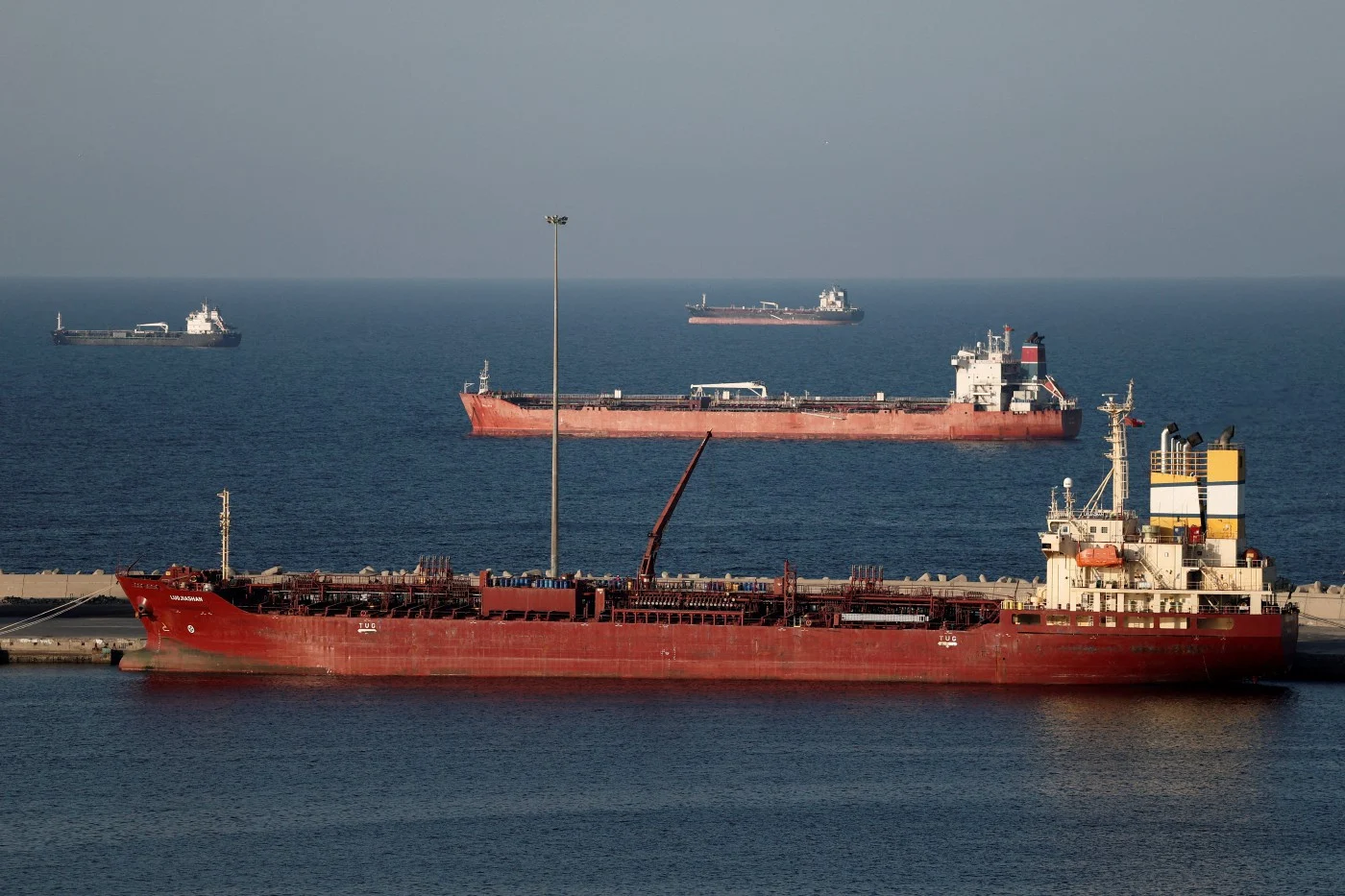
KUALA LUMPUR: The government is advised to implement strategic intervention measures and a comprehensive contingency plan to address the long-term effects of the Middle East conflict, particularly the risk of a closure of the Strait of Hormuz.
Experts said that stabilising fuel prices, controlling essential goods, and strengthening the structure of government-linked companies (GLCs) such as Petroliam Nasional Bhd (Petronas) were crucial to safeguarding the resilience of the national economy against unforeseen shocks.
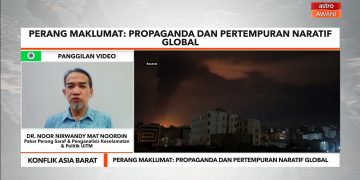
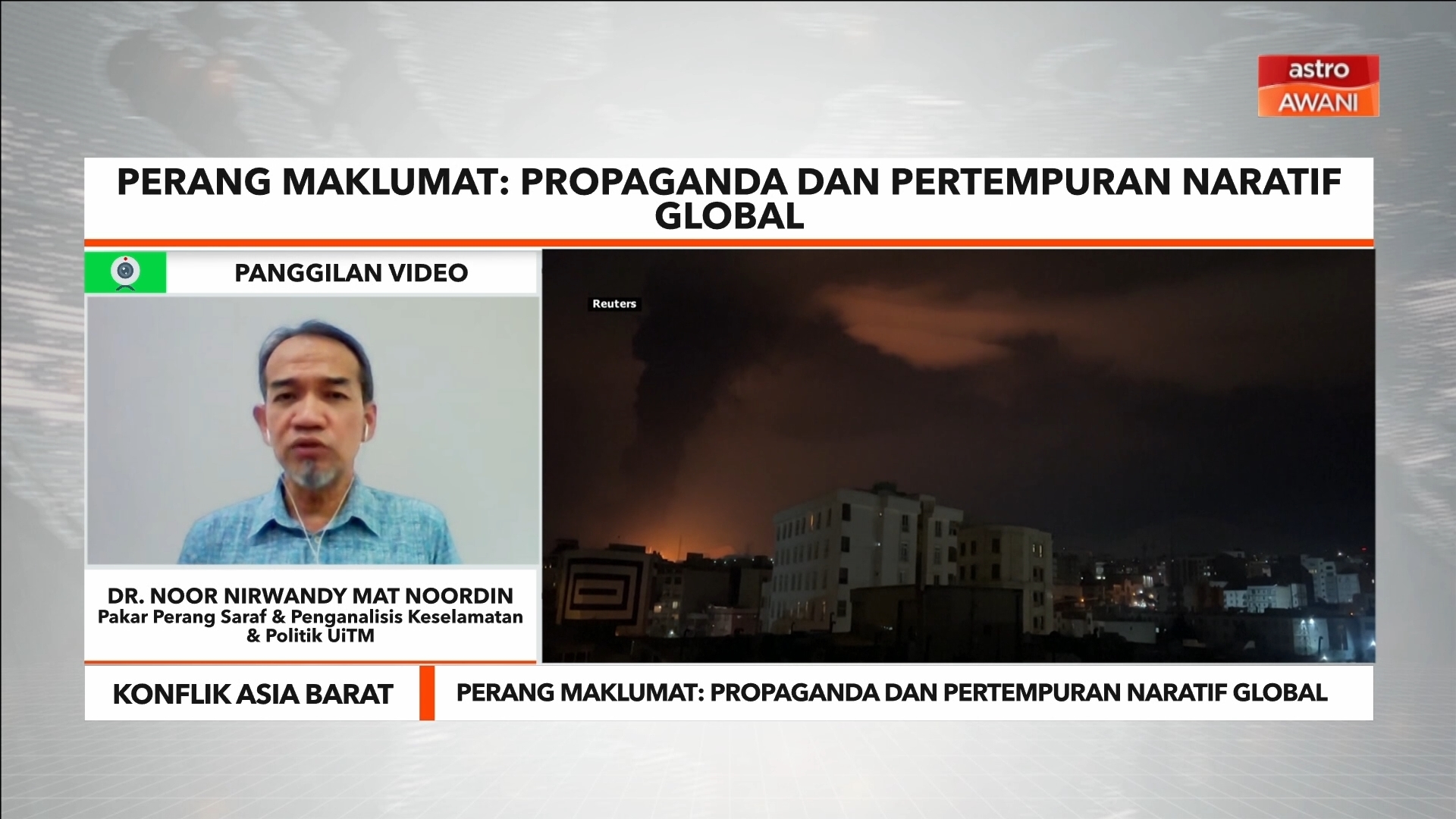
Universiti Teknologi MARA (UiTM) psychological warfare expert and security analyst Dr Noor Nirwandy Mat Noordin said the government must ensure oil prices remain stable through a robust subsidy system to prevent inflationary pressures on the transportation and food sectors.
He recommended maintaining pegged oil prices to avoid sudden spikes in goods prices, alongside strict monitoring to prevent subsidy leakages, ensuring that support reaches only local residents.
“The government should also expand the list of controlled goods to protect consumers from price manipulation by those seeking to exploit the crisis,” he told Bernama today.
Elaborating on the importance of local oil price stability, Nusantara Academy for Strategic Research geostrategist Dr Azmi Hassan stressed the need to maintain Petronas’ strength as a pillar of the country’s energy security.
“Intervention is necessary to reinforce Petronas’ structure, ensuring an efficient and effective fuel supply system, while maintaining sufficient national oil reserves, currently expected to last until at least May.
“Despite the direct impact of the Middle East crisis, including rising fuel prices, maintaining the price of RON95 is a critical responsibility of the government,” said Azmi, a Fellow of the National Professors Council.
Meanwhile, economist Prof Dr Barjoyai Bardai commended the government’s move to establish a special economic monitoring committee to assess the conflict’s impact, while advocating for the diversification of food and logistics import sources to reduce reliance on vulnerable routes such as the Strait of Hormuz.
“To strengthen the supply chain and industry, the government should identify alternative routes and work with shipping companies to prevent sharp cost increases,” he said.
The Provost of Universiti Sains dan Teknologi Malaysia (MUST) also recommended a tax deferment initiative for manufacturers and the electrical and electronics (E&E) sectors to support those affected by the Middle East conflict.
Barjoyai also advised the public to remain calm and rely on verified information.
“Our economy remains stable, so continue to spend wisely and avoid panic buying. The government is prepared for any eventuality,” he said.
Tensions in the Middle East escalated after Israel and the United States launched a joint attack on Iran on Feb 28, claiming more than 1,300 lives, including Ali Khamenei, Iran’s former supreme leader, and over 150 schoolgirls. More than 10,000 people were also injured in the attack.
Credit: https://www.nst.com.my/news/nation/2026/03/1396681/experts-call-govt-intervention-amid-middle-east-tensions